
A poker HUD – Heads-Up Display – puts key game information directly beside the table, showing hand histories, pot sizes, betting patterns and other useful numbers without forcing you to flick through separate screens. For Australian players, that convenience matters, but so do account security, transparent support and responsible-play controls. The best interface is useless if the operator behind it handles your data poorly. I’ve tested plenty of gaming platforms across Europe and Australia, and trust should decide the shortlist before any bonus maths.
What a Poker HUD Actually Shows
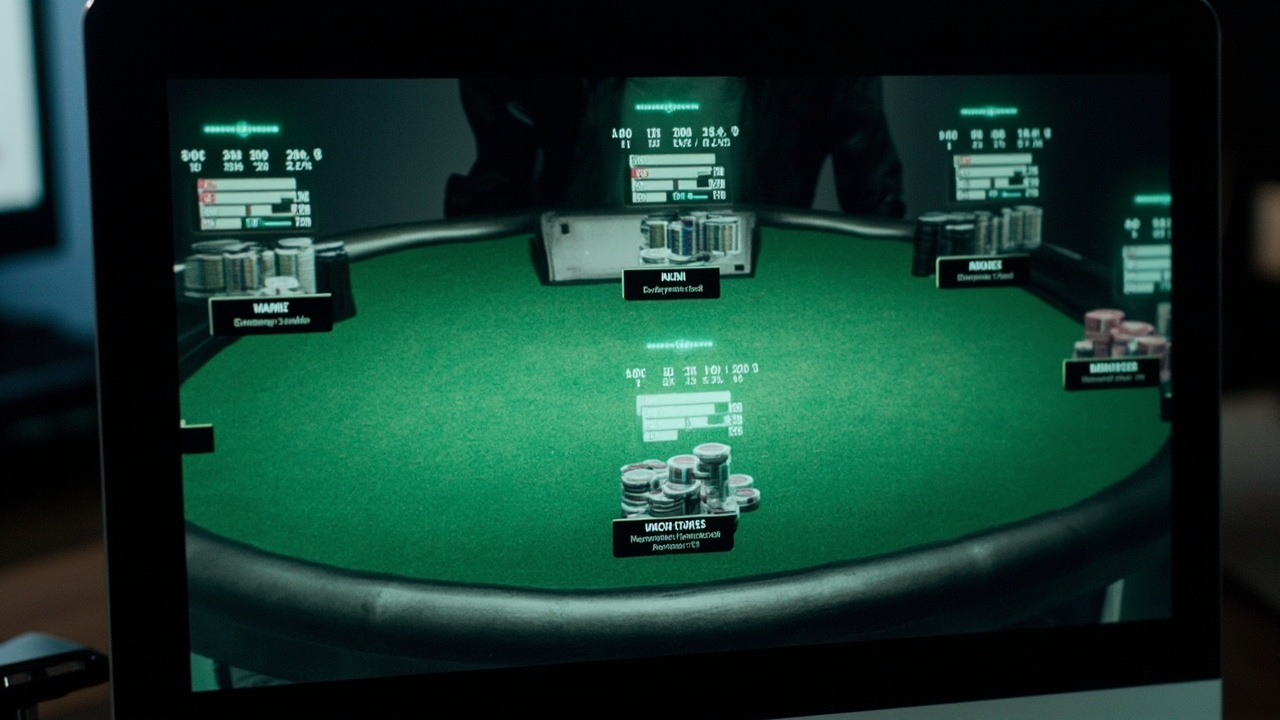
A HUD is an overlay or side panel that translates a busy poker table into readable signals. It may display your hole cards, the board, current pot, stack sizes, position labels and previous actions. More advanced software adds colour-coded betting tendencies, equity estimates and opponent statistics. The practical question is not whether more data is available; it is whether the information is accurate, unobtrusive and quick enough to use at a real-money table.
Think of a well-built HUD as a business cockpit: useful at a glance, quiet when it has nothing important to say. Players can usually adjust which panels appear, resize them and switch features on or off. I prefer layouts that stay visible without covering cards or chat. On a smaller screen, too many active panels create clutter – packed tighter than a Melbourne tram on AFL Grand Final day.
A useful shortlist for any HUD:
- Pot, stack and bet information that updates without delay
- Clear hand-history and position labels
- Adjustable opacity, sizing and panel visibility
- Legible fonts suitable for Australian screens
- No compulsory account or software download
Trust, Support and Account Controls
Licensing and operator quality matter more than the visual polish of the overlay. A HUD cannot compensate for weak identity checks, vague withdrawal terms or an absent support team. Before depositing, check the casino’s legal information, game providers, payment providers and terms for Australian customers. Any offer must state its wagering conditions plainly, including whether HUD use is restricted in tournaments or promotional play.
Security should include encrypted traffic, credible account authentication and requestable account history. Support should be reachable through a live channel during Australian playing hours, with response times that do not leave a withdrawal request hanging for days. Privacy controls should explain what data is collected, why and for how long.
Responsible-play tools also deserve a proper inspection: deposit limits, session reminders, reality checks and self-exclusion options should be easy to find rather than buried. None of this makes losses disappear, and no HUD can make betting safer. It can only help you make more informed decisions within limits you set beforehand.
“A polished table is a presentation layer, not a promise of fair treatment.” – Ruby Hall, Head of Live Casino, Koala Digital Group
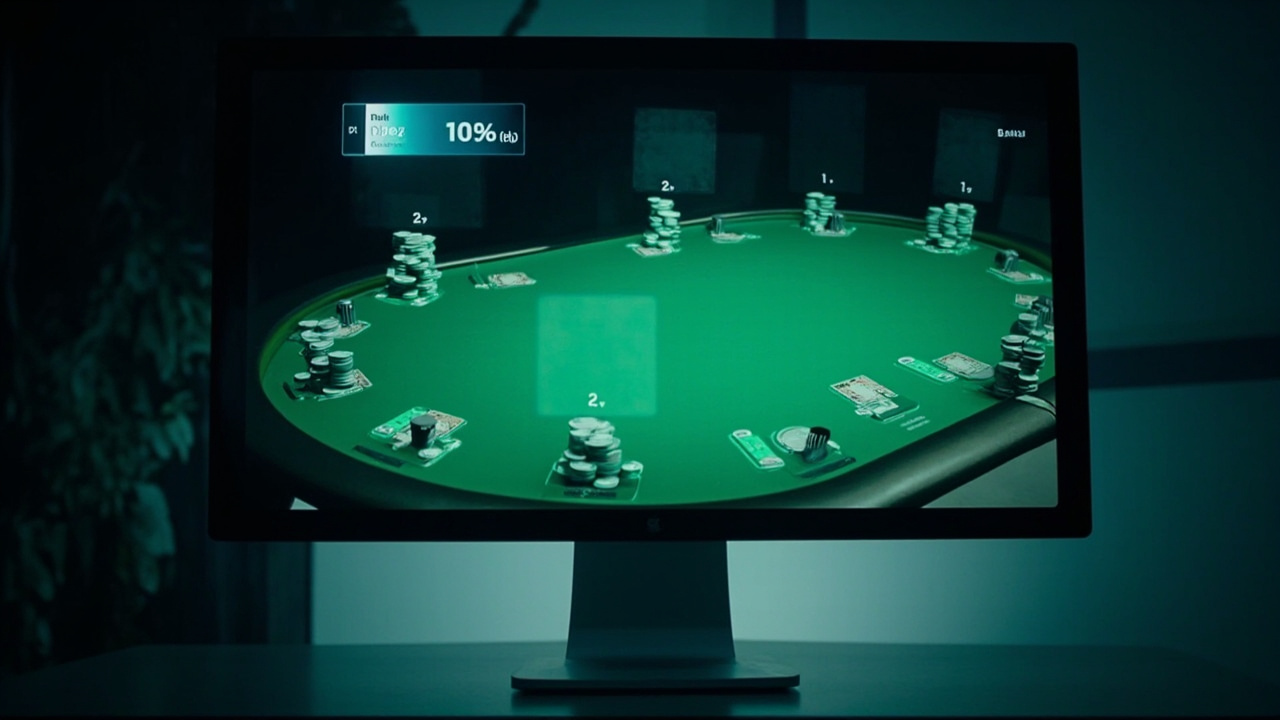
Ruby’s point matters because glossy interfaces often receive more attention than account governance. I would examine the support route before playing a single hand. Players wanting a broader picture of independent casino assessments can browse this collection of poker platform reviews and check the underlying policies rather than relying on promotional claims.
Choosing a Credible Poker Setup
Start with the cashier, then inspect the table software. A reliable operator should show AUD amounts consistently, explain deposit and withdrawal methods before you fund an account, and provide visible processing timeframes. Consistency is the test: if a bonus advertises A$50 with a 30x wagering requirement, the account lobby and bonus terms should use those exact figures, not substitute a different headline offer later.
Game providers matter too, because the HUD must match the actual table format. Support for common formats such as Omaha, Texas Hold’em and short-deck variants helps, but provider names alone do not guarantee good security. Check that responsible-play settings remain available when you use a poker interface, and that switching devices does not silently reset your preferences.
Mobile deserves special attention in Australia. A desktop HUD can be excellent while the phone version remains awkward, especially for players moving between train trips and home sessions. Look for responsive layouts, readable action buttons and cashier functions that do not require an unsupported operating system.
Here is a straightforward comparison:
| Area | Strong sign | Warning flag |
|---|---|---|
| Account security | Two-factor option and clear verification | No visible protection options |
| Support | Live help during Australian hours | Only an unanswered email form |
| Cashier | AUD totals and published processing times | Changing conditions after deposit |
| Play controls | Accessible limits and self-exclusion | Tools buried in account menus |
| HUD | Customisable, accurate table information | Stale data or cluttered overlay |
Verdict for Different Player Types
The right HUD depends on how you play. Recreational players benefit most from a restrained display: pot size, position and hand history are enough. Study-oriented regulars may want opponent statistics and bet tracking, provided they understand the sample-size limitations. For beginners, fewer panels usually mean better decisions; for experienced players, customisation matters more than novelty.
Compare the operator’s security, support and responsible-play features before the HUD itself. If those pass inspection, the software becomes a genuine convenience. If they do not, a clever overlay only makes an unsound platform feel more sophisticated.
For Australian adults, my preferred setup is a licensed overseas environment that explicitly permits local customers, publishes clear AUD terms and provides support suited to Australian hours. Verify the terms yourself, set deposit and session limits, and treat any HUD as an aid – not a strategy guarantee.
International rules differ across jurisdictions, so if you are comparing European and Italian regulations, Italian online poker rules offer useful context on how local frameworks can vary.
Overall, poker HUD explained should lead to better-informed choices, not bigger bets. Pick a provider with strong account controls, test the interface with a small balance, and walk away when your preset limits are reached. No worries: no visual tool is worth chasing a loss.