
A blackjack shoe is a physical or digital tray that holds multiple decks and feeds cards one at a time, keeping the game moving without constant shuffling. At Picklebet, the wagering and iGaming side of the product leans into that rhythm, because a shoe changes pace, visibility, and how often the dealer resets the table. If you are weighing how a shoe affects your play in Geelong or anywhere else in Australia, the practical question is whether the interface and the dealing logic match what you actually want from a session.
What the shoe actually does at the table

A shoe is not a gimmick; it is a dealing device that determines how many decks are in play and how predictably the cards travel. In a standard setup, six or eight decks sit inside the tray, and the dealer draws from the front edge so the remaining cards stay concealed. That structure matters for a product manager because it sets the cadence of each hand and the amount of information a player can reasonably track.
From a user-experience angle, the shoe also shapes how the screen or the physical table presents the next card. A well-built dealing flow keeps the card reveal consistent, avoids awkward pauses, and makes the cut card visible so players understand when the shuffle point is approaching. I have seen wagering products treat the shoe as a background detail, while racing and iGaming flows at Picklebet treat timing and clarity as first-order features, and the difference shows up in how comfortable a session feels.
For an Australian player, the practical bit is that a shoe does not change the rules of blackjack itself, but it does change the rhythm and the information you get between hands. That is why a product that treats the shoe as part of the interface, rather than just a prop, tends to feel more coherent when you are deciding how to play your next move.
How the shoe fits into a mobile-first blackjack session
Reading the deal on a phone screen
On a phone, the shoe has to be represented without cluttering the layout, because the player is usually dealing with a smaller field of view and a thumb-driven navigation pattern. A sensible interface keeps the card tray visible, shows the current card clearly, and surfaces the cut card or shuffle indicator without forcing extra taps. The goal is not to recreate a physical shoe pixel-for-pixel; it is to keep the dealing logic legible so the player can follow the flow without squinting or guessing. Why blackjack can be beatable with
Performance matters here more than it does on a desktop. A responsive blackjack module should render the card reveal quickly, keep the table state stable during a hand, and avoid layout shifts that make the hit or stand controls feel slippery. When I look at iGaming and wagering products from a practical UX standpoint, the mobile-first test is whether the dealing rhythm still feels deliberate on a busy connection, because a shoe-driven game lives or dies on that consistency.
Where the shoe changes the pace
The shoe also affects how often the table resets and how much downtime sits between hands. In a multi-deck setup, the shuffle point arrives later, which means longer stretches of continuous play before the cards are reassembled. That can suit a player who wants a steadier rhythm, but it also means the interface has to keep the hand history and the current bet state obvious so the session does not drift into a blur.
A good mobile flow gives the player enough cues to stay oriented without turning the screen into a dashboard of distractions. If the shoe is handled well, the player sees the next card, the dealer action, and the reset point in a sequence that feels natural rather than mechanical. That is the kind of design judgement that separates a blackjack table that feels usable from one that feels like it was assembled around the game rather than around the player.
What the shoe means for your play and your choices
A shoe does not decide your results, but it does influence how you read the table and how much attention you want to give to the dealing flow. If you are playing on a mobile browser or an app, the shoe is part of the experience in a more practical way than it is in a pure rules explanation, because the interface has to carry the rhythm of the deal without making you work for it.
That is where a player’s priorities come in. Some people want a faster, more continuous session with a clear shuffle point; others want a layout that keeps the card reveal and the bet controls easy to hit on the move. Either way, the useful question is whether the product around the shoe is built for the way you actually play, not just for the idea of blackjack as a generic table game.
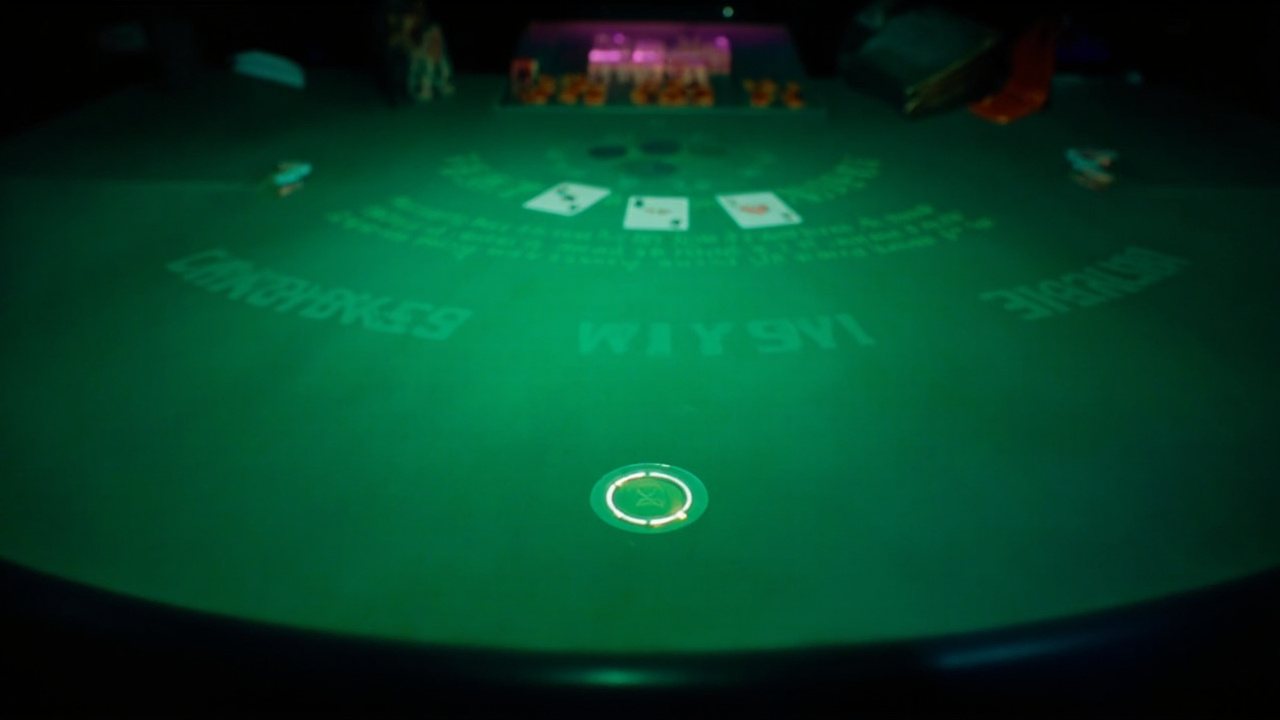
If you are curious about how disciplined play can shift the way you approach the table, it is worth reading a related piece on why blackjack can be beatable with disciplined play before you decide how much attention you want to pay to the shoe itself.
- Open the blackjack table in your browser or app and check that the card tray, cut card, and current hand are visible without scrolling.
- Note how many decks the table says are in the shoe, because that changes the rhythm of the deal and the point at which the cards are shuffled.
- Watch the first few hands to see whether the card reveal, dealer action, and bet controls stay steady on your connection.
- Decide whether the pace suits you, then adjust your session length and bet size to the flow you are actually getting, not the one you hoped for. https://dreaming-project.org
A blackjack shoe is a dealing tool, not a promise, and the best way to judge it is by how cleanly the table presents the deal on the device you are using. If the shoe is handled well, the game feels ordered and the player can focus on the hand instead of the interface. If it is handled poorly, even a solid ruleset can feel fiddly. For an Australian player, the practical test is simple: the shoe should support the session you want, on the screen you are using, without turning the deal into a puzzle.